
Rebar
Map bar location, spacing, and cover so cores miss the mat instead of cutting through it.
Serving all of Oklahoma from Norman
Monday – Friday, 7:00 am – 5:00 pm(405) 627-5263
Ground penetrating radar
Before anyone cores, saws, or breaks concrete, Tommy's GPR reads the steel, cables, and voids inside it. No guesswork. No x-ray shutdown.
Ground penetrating radar sends electromagnetic pulses into concrete. When those pulses hit something different — steel, plastic conduit, air — part of the energy reflects. The antenna listens, and the operator reads the return in real time.
That is why GPR works from one side of a slab. Unlike x-ray, there is no film on the ceiling below and no radioactive source. We can scan slab-on-grade, suspended decks, and tight rooms with a palm antenna, typically down to 24 inches.
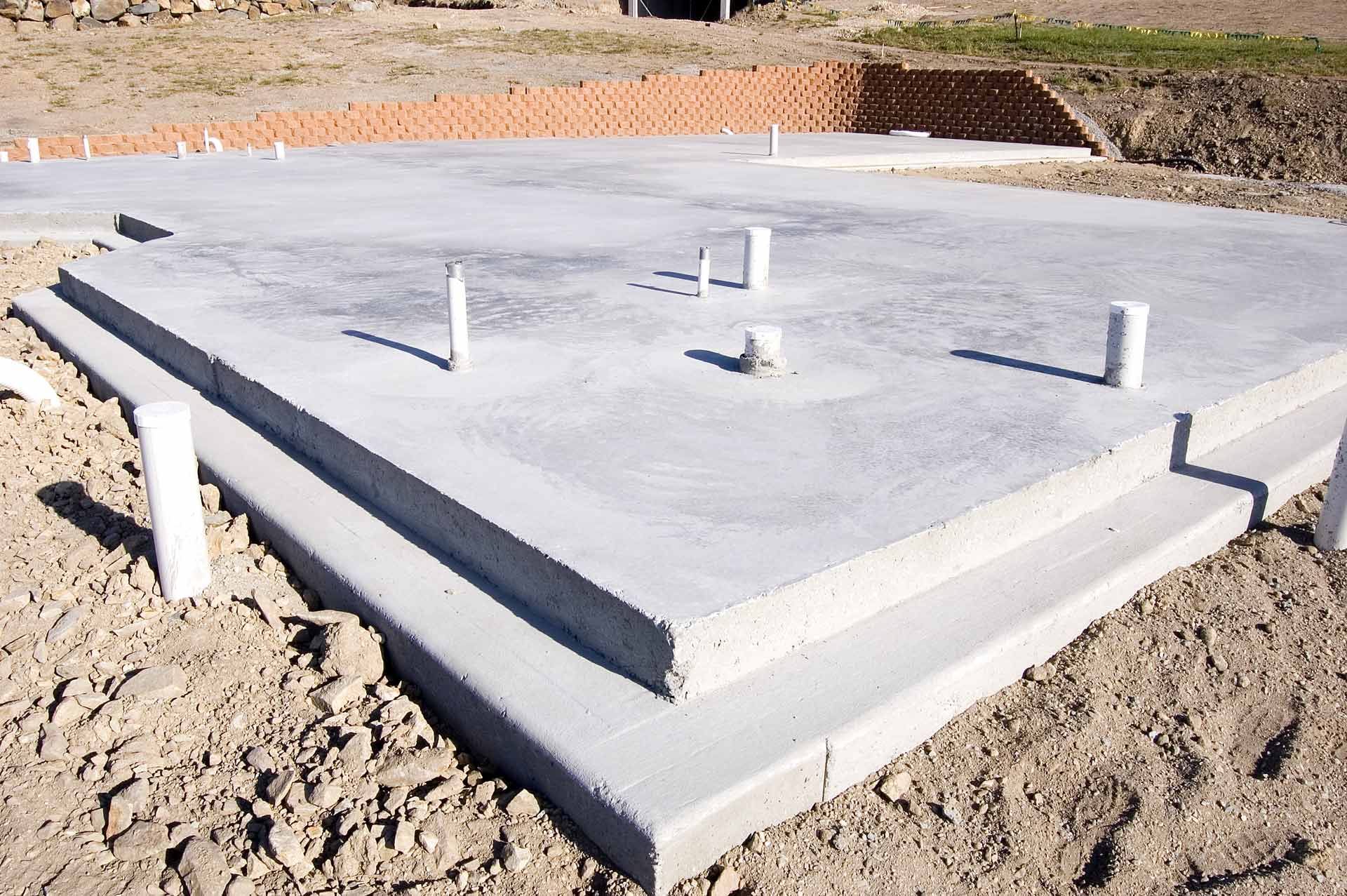
Map bar location, spacing, and cover so cores miss the mat instead of cutting through it.
Find live tendons before a saw or bit can release them — the highest-stakes hit on a slab.
Trace electrical and data pathways so a renovation does not take a circuit, or a building, offline.
Locate water, sewer, and process lines in the slab before they become a flood.
Identify hollow spots and deterioration that can drop a slab or swallow a drill.
Call Tommy's GPR. We scan across Oklahoma and can usually tell you how soon a tech can be on site.